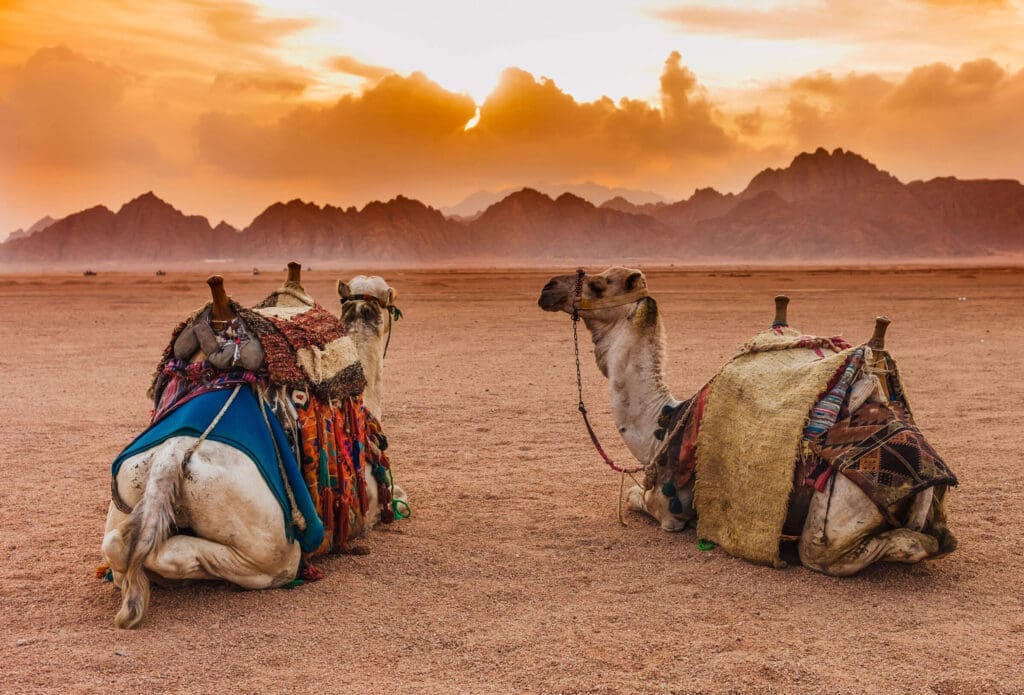
An intricate mosque minaret rising above a bustling souk. An artisan at work outside a small shop. A line of camels crossing dunes in the Sahara. These are some of the images that come to mind when people picture Morocco, and for good reason.
But cave homes, giant granite boulders, and cafés beside waterfalls are part of Morocco, too. Intrigued? Be warned, fair traveler: some of these places are off the beaten path in Morocco. They require more planning than a typical city-to-city itinerary, but can be wonderfully rewarding with the right local expertise.
Here are eight less-visited destinations for travelers curious about Morocco’s landscapes, crafts, and local communities.
1. Dakhla: Going the Distance
This one takes commitment. Far down the Atlantic coast, Dakhla is not a place you casually add between Fez and Marrakech.
Its desert scenery meets the sea at a broad lagoon that draws kitesurfers. If you have always wanted to try the sport, this might be your moment. If you would rather watch the colorful kites from shore, that counts as a vacation activity, too.
Give Dakhla space in your itinerary. A road journey from Morocco’s main northern tourist cities takes several days, depending on the route and stops—not necessarily weeks. If that sort of drive is not for you, Dakhla also has an airport.
2. Bhalil: Yes, People Live in Those Caves
Near Fez and Sefrou, Bhalil has something unexpected: cave dwellings incorporated into residential homes, some still inhabited. As you walk through town, you will see colorful buildings, narrow streets, and views over the surrounding hills.
These are people’s homes, not museum displays. Only visit inside when invited or as part of an arranged experience. Bhalil makes an interesting excursion from Fez, near the foothills of the Middle Atlas.
3. Tafraoute: A Paradise for Mountain Lovers
In Morocco’s Souss-Massa region, Tafraoute is known for the pink granite boulders of the Anti-Atlas Mountains. Some look so carefully balanced that you might wonder who placed them there.
The region appeals to hikers, climbers, campers, and anyone who likes dramatic scenery. It also offers opportunities to connect with local Amazigh culture. Tafraoute and the surrounding area are known for almonds and seasonal celebrations; check event dates rather than assuming a festival will coincide with your visit.
Nearby Aït Mansour Gorge brings palm groves and another change of landscape. Leave time for the drive, walks, and spontaneous stops.
4. Amtoudi: A Climb Into the Past
In the Guelmim-Oued Noun region, the oasis village of Amtoudi is known for its fortified communal granaries perched above the valley. These structures helped protect grain and other valuables, making them much more than impressive buildings on a hill.
Exploring them involves a climb, best planned with a knowledgeable local guide who can explain their history. Below, palm groves spread through the valley. Come for the granaries, but leave room to appreciate the oasis as well.
5. Sidi Ifni: The Overlooked Beach Haven
Agadir is a comfortable starting point, but if you have time, follow the Atlantic coast south toward Mirleft, Legzira Beach, and Sidi Ifni.
This route offers ocean views, surf breaks, and reasons to stop along the way. At Legzira, striking red cliffs frame the beach, where one of the famous natural rock arches still stands; another collapsed in 2016.
Continue to Sidi Ifni for a quieter coastal atmosphere and distinctive Spanish colonial-era architecture. For inspiration in the area, explore our guide to Mirleft and Morocco’s Atlantic coast.
6. Taznakht and Tamegroute: Moroccan Craft Traditions
If your plans include the Sahara, consider what you can discover on the way to the dunes.
Taznakht is known for carpet weaving. A visit to a workshop or cooperative offers a chance to learn how artisans make the patterns and colors that distinguish local rugs. You may leave with an appreciation for the work—and perhaps a rug for home.
Foum Zguid serves as one gateway for journeys toward the Erg Chegaga dunes. Its setting invites you to think about historic desert routes, not just the drive ahead.
Near Zagora, Tamegroute is celebrated for its green-glazed pottery and ceramic workshops. These places are in different parts of the southern travel region, so treat them as separate stops to plan thoughtfully rather than one quick detour.
7. Figuig: Eastern Beauty
In eastern Morocco near the Algerian border, Figuig is a palm oasis far from the usual imperial-city itinerary.
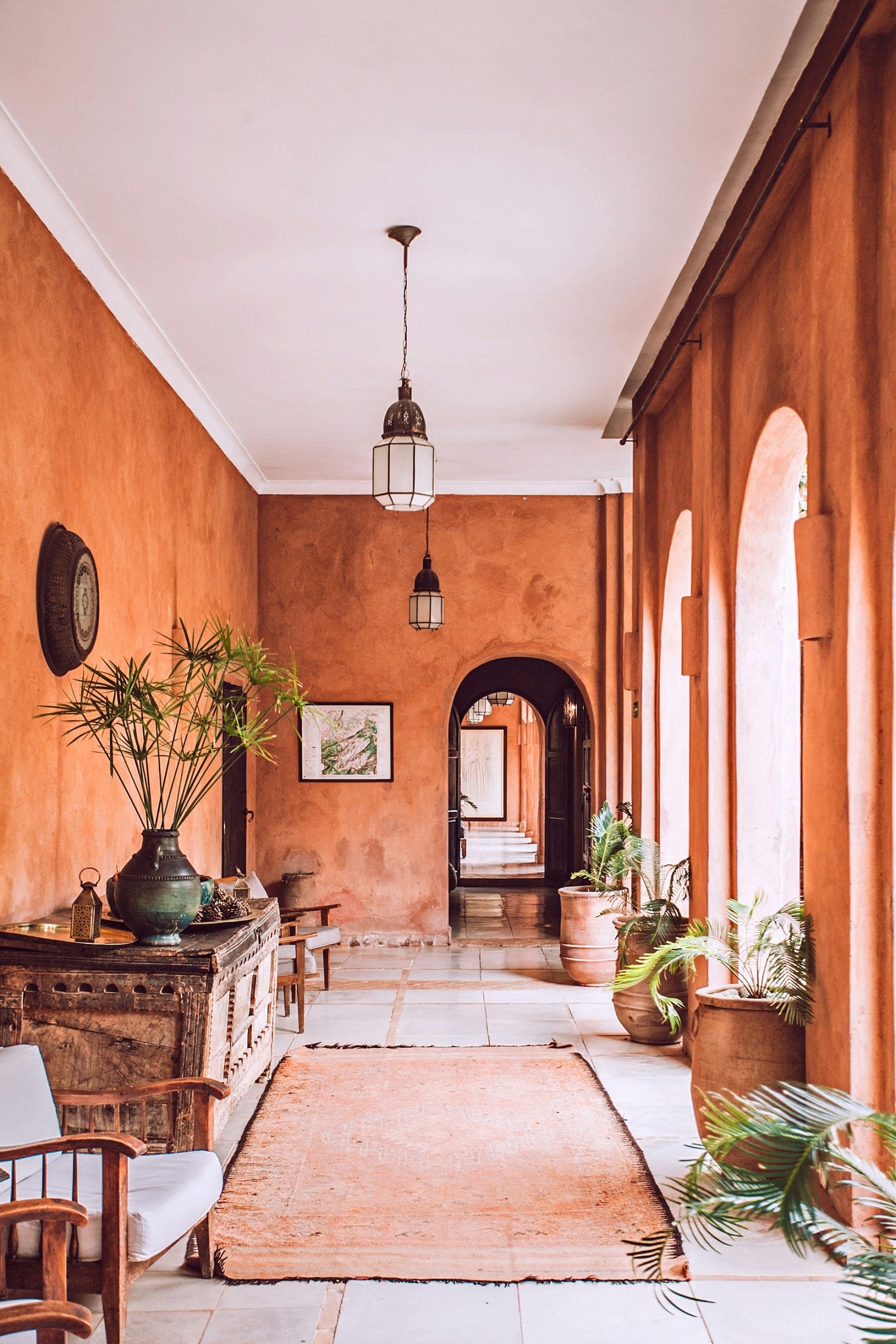
Its historic ksour, or fortified settlements, and date palm groves tell the story of communities built around an oasis. There is architecture to explore and an agricultural landscape to understand.
Like Dakhla, Figuig rewards a deliberate journey. It is best suited to travelers prepared to head east and spend some time there, not visitors trying to squeeze in a single overnight stop.
8. Akchour: Worth the Hike
Chefchaouen, Morocco’s famous blue city, is hardly a secret. Nearby Akchour, however, offers a different reason to extend your stay in the Rif Mountains.
Roughly an hour away by road from Chefchaouen, depending on where you start, Akchour is a popular place to hike beside streams and enjoy waterside cafés. After the walk, fresh orange juice or Moroccan mint tea tastes especially good.
Trails lead toward waterfalls and the natural rock formation called God’s Bridge. These are different hiking options, not necessarily one short walk; choose the route that suits your available time, fitness, and trail conditions.
Which Off-the-Beaten-Path Morocco Detour Is Worth Taking?
You do not need to fit all eight places into one trip. In fact, trying to do that would leave far too little time to appreciate any of them.
Instead, choose the places that fit your route: a cave-home visit near Fez, a few days on the Atlantic coast, or a longer journey to a remote oasis. Each can change the character of your vacation.
Not sure how to connect your favorite stops? Plan a tailor-made Morocco trip that leaves room for what you will discover along the way.